
Getting more customers doesn’t have to mean doing more of everything. If you’re already juggling way too much, the key is focusing on what actually works—and making it repeatable.
Whether you’re testing a new platform or doubling down on word-of-mouth, growing your customer acquisition channels is about finding the right mix that fits your time, budget, and energy. This article breaks down practical tactics you can start using without needing a huge team or endless hours.
Think of it as a smarter way to get in front of the right people—without burning out or blowing your budget.
Leverage Data-Driven Marketing Strategies
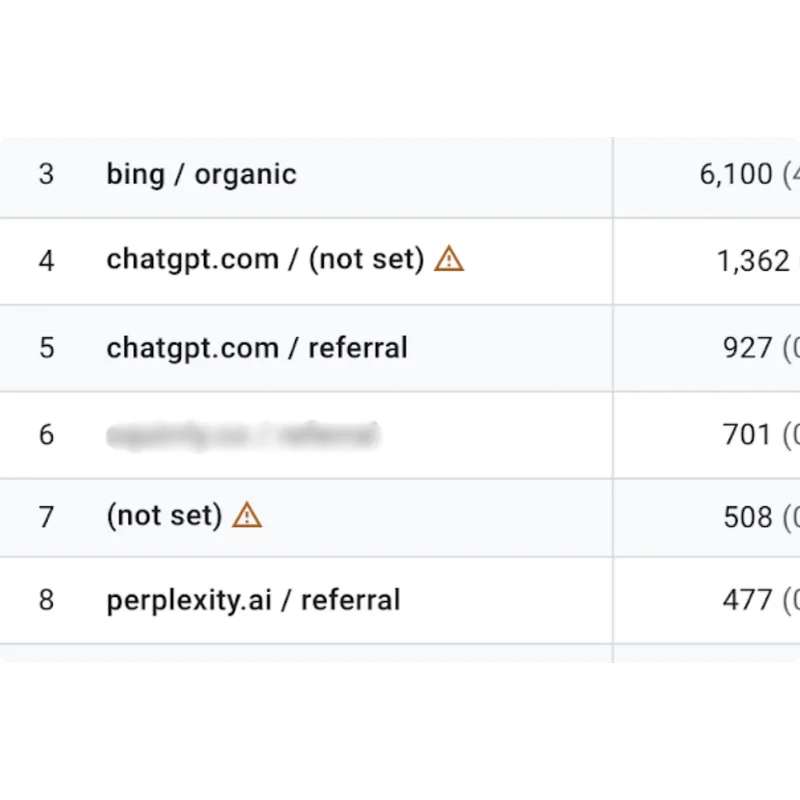
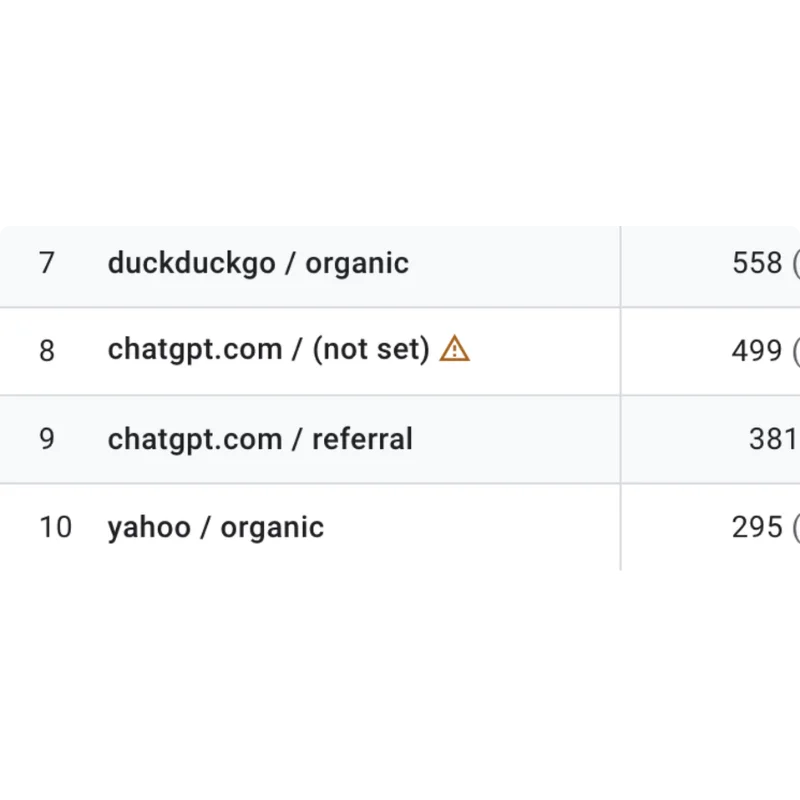
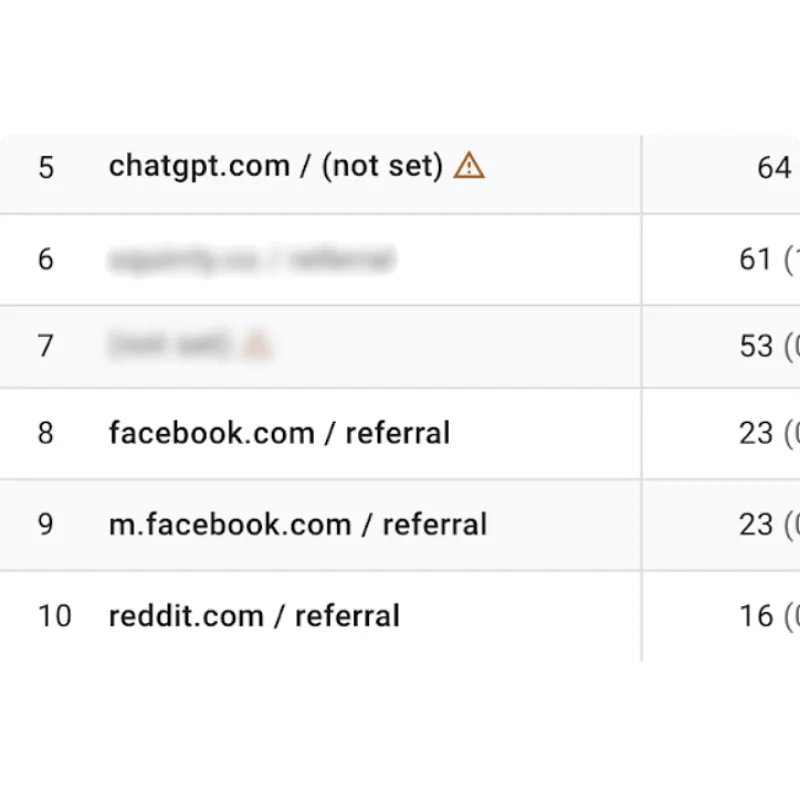
Knowing what works and what doesn’t can save you time, energy, and money. That’s why using data to guide your marketing is key. Numbers tell a story. They show how people find you, where they drop off, and what brings them back. You don’t need to be a data expert to start seeing patterns that help with growing your customer acquisition channels.
Start by tracking basic metrics like website traffic sources, email click-through rates, or social media engagement. These numbers give clues about which platforms bring in the most interest. If most of your visitors come from Instagram but few convert into leads, something may be off with the landing page or offer.
By leaning on actual performance data rather than gut instinct alone, you’ll slowly build more reliable ways to connect with new customers while keeping things manageable for your team—or just yourself—week after week.
Optimize Your Website for Conversions
If you’re focused on growing your customer acquisition channels, your website can’t just look good—it has to actually do the job. That means turning curious visitors into real leads or paying customers. To make that happen, your site needs to be simple to use, easy to explore, and quick to load.
Start by checking how fast your pages open. People won’t wait around for slow sites. If it takes more than a few seconds, many will leave before they even see what you offer. Use free tools like Google PageSpeed Insights or GTmetrix to spot speed issues early.
Next up is mobile experience. More people browse from their phones than desktops now. If your site doesn’t adjust well on smaller screens—buttons too tiny, text hard to read—you’re losing out on conversions without even knowing it.
Navigation also plays a big role here. Visitors should find what they need with little effort—whether that’s pricing info, contact forms, or service details. Keep menus short and clear so people don’t get stuck clicking in circles.
Your calls-to-action matter too. These buttons and links guide people toward next steps—like signing up for updates or booking a demo—but only if they’re visible and make sense. Avoid vague phrases like “Click Here.” Be direct: “Get the Free Guide” works better.
Content helps close the gap between browsing and buying as well. This is where using something like Next Level Marketing AI makes life easier. It creates blog posts, social media promos, emails—so you spend less time guessing what content will connect with visitors.
You can go further by letting this tool handle SEO tweaks automatically and publish straight into WordPress when ready. That way you’re not stuck juggling five apps just to update one page—which saves hours over time while keeping everything consistent across platforms.
Getting these basics right turns your website into an active part of your sales process instead of something that just sits there looking nice but not doing much else.
Invest in Content That Educates and Engages
Content is one of the easiest ways to connect with people before they’re ready to buy. It gives potential customers a reason to visit your site, follow your brand, and share your message with others. When you create useful content—like how-to blog posts, short videos that explain a process, or simple infographics that break down key ideas—you’re not just filling space. You’re offering something helpful.
People often search for answers before choosing a product or service. If your content helps them solve a problem or understand an idea better, they’ll remember you when it’s time to make a decision. This approach supports growing your customer acquisition channels without relying only on ads or cold outreach.
To make this easier and less time-consuming, tools like Next Level Marketing AI can help you plan what topics matter most to your audience using keyword research. It also writes the actual content for blogs and emails, so you’re not stuck staring at a blank screen during late-night hours.
You can use it to schedule social posts too—so once an article goes live on WordPress, it gets shared across platforms automatically.
The goal isn’t just volume—it’s value. One well-written post that solves someone’s real issue is worth more than ten generic ones no one finishes reading. Automated tools let you focus on strategy while still producing material that supports trust over time.
When people see consistent tips from your business that actually help them out—even in small ways—they start viewing your brand as reliable and informed. Over time, this builds loyalty even before someone becomes a customer.
Instead of trying to do everything manually or jumping between five different apps, using one system keeps things smooth and repeatable. That way you can keep showing up where it matters without burning out or losing track of what works best over time.
Focus on Growing Your Customer Acquisition Channels
Sticking to just one or two ways of reaching customers can limit how far your business goes. If you’re only using email or social posts, you might be missing people who prefer other platforms. Start by testing out new places where your audience already spends time. That could mean trying influencer partnerships, paid ads, or even affiliate programs.
Influencer collaborations help you tap into someone else’s followers who already trust them. You don’t need a huge budget for this. Micro-influencers often have higher engagement and cost less than bigger names. Paid ads also give you control over targeting. You can set your own budget and choose exactly who sees your message—based on location, interests, or behavior.
Affiliate marketing is another way to grow without doing all the heavy lifting yourself. When someone else promotes your product and earns a small cut from each sale, it becomes a win-win setup with low upfront costs.
If managing all these channels feels like too much, tools like Next Level Marketing AI take some of that weight off your shoulders. With automated keyword research and content writing built in, it saves hours every week.
The platform also handles SEO tasks, schedules social media updates to promote articles automatically, and even helps with email campaigns—all from one place.
By switching things up and exploring more outreach methods, you’re not just adding noise—you’re increasing chances of being seen by people who haven’t heard of you yet. It’s about growing your customer acquisition channels in a smart way that matches both time and energy limits.
Trying new paths doesn’t mean doing everything at once either. Pick one channel to test for a few weeks while letting software handle repeat tasks in the background. That way you stay focused without burning out trying to do it all manually every day.
Turning Strategy into Scalable Growth
As you explore new ways to grow your customer acquisition channels, it’s clear that success comes from combining smart strategy with the right tools.
By leveraging data-driven marketing, optimizing your site for conversions, and investing in content that actually educates and connects, you’re laying the groundwork for long-term growth.